How to Proofread Bid Documents: Tips, Tools & Checklist
Learn how and why it's important not to overlook editing and proofreading bid documents from the experts at The Bid Lab.
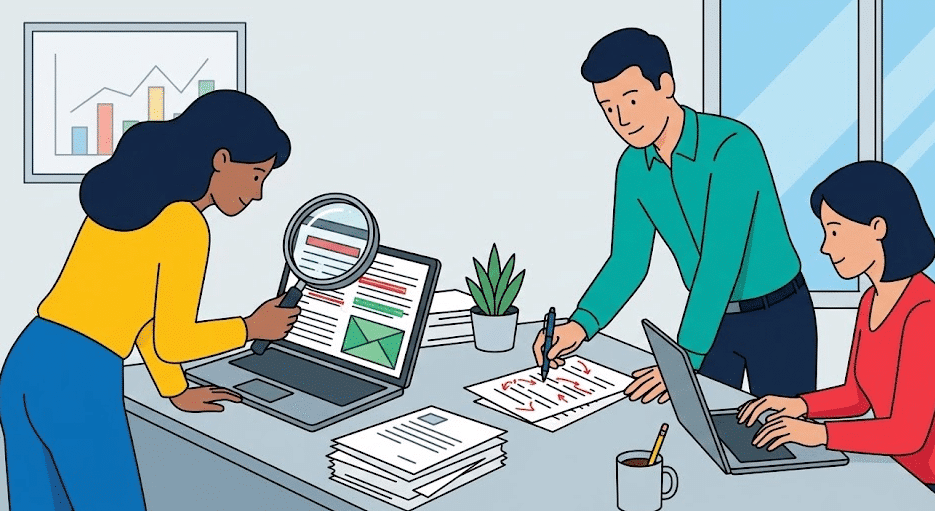
Proofreading bid documents means systematically checking a proposal for errors in grammar, formatting, numbers, and compliance before submission. It matters because a single typo or misplaced zero can undermine your credibility or cost you the contract—so winning teams treat it as quality control, not a final skim.
“Your important.”
Or should we say, “You’re important”? One tiny typo can change everything, and in the world of bids, that kind of slip-up could derail months of hard work. Proofreading bid documents might not sound as thrilling as winning the lottery, but one missed zero in your budget could mean losing millions. That’s why proofreading isn’t just a box to check; it’s the secret sauce that turns a good proposal into a winning one. So grab your red pen (or, more realistically, your track-changes tool), because we’re diving into the tips, tricks, and tools that will make your proposal shine.
Why Proofreading Bid Documents Matters
At the heart of every great proposal is the answer to the question, “Who would this funding benefit, and how?” Tackling this effectively requires creativity, nuance, persuasive writing skills, a thorough understanding of both your organization and the funders’, as well as graphs and charts (if applicable) to really drive home the message.
However, even the strongest proposals – ones that address all aspects of that guiding question to a T – can flop if riddled with errors, whether those involve improper grammar, missing punctuation, or incorrect spelling.
Proofreading bid documents ensures that your reviewers focus on your narrative and solution, rather than on your little mistakes.
Here are just a few things proofreading can safeguard against:
- Credibility killers: Typos, misused words, and awkward phrasing make reviewers question your professionalism.
- Budget blunders: A stray zero or miscalculation can completely change your financial story.
- Compliance concerns: Inconsistent terminology or failure to match RFP language can make it look like you didn’t follow directions.
- Formatting flubs: Inconsistent fonts, numbering, or headers distract from the content and make your bid harder to read.

How Do You Proofread a Bid Document? (Step-by-Step)
So, how do we go from a solid draft to a polished, professional bid? Proofreading bid documents requires more than just a quick skim before hitting “Submit.” Successful teams build a system for catching errors consistently, because, let’s face it, mistakes love to hide in plain sight. Think of this stage as quality control for your proposal: a set of checks to make sure every comma, capital letter, and calculation is right where it belongs.
Here’s a proven step-by-step process you can follow prior to submission:
- Confirm all RFP instructions have been followed: Formatting, required sections, and page limits must all align with the funders’ rules, or the whole proposal could be thrown out.
- Review formatting: Headers, bullet points, sub-bullets, and numbering should be clean, aligned, and uniform.
- Check grammar and punctuation: Look for run-on sentences, subject-verb agreement issues, and the little things (like missing Oxford commas) that make a big difference.
- Verify numbers and data: Double-check budgets, dates, and statistics. Reviewers notice when the math doesn’t add up.
- Look for consistency issues: Make sure acronyms, titles, terminology, and tone are consistent throughout the document.
- Bring in a fresh set of eyes: Even the best writers have other people review their work. If possible, have someone not directly involved in the writing process proofread your documents. They might catch errors that you or your team skimmed past.
What Are the Most Common Proofreading Mistakes in Bids?
Whether this is your first bid or your 111th, some mistakes will inevitably slip through the cracks. Especially between first, second, and final drafts! However, knowing the usual suspects will help you prevent some of the most common proofreading blunders that could sink an otherwise stellar bid document.
- Relying only on spellcheck: Sure, automated tools are helpful, but they can’t always tell the difference between, say, “public” and “pubic.” (Yes, it’s happened). Always read each word carefully yourself.
- Not triple-checking the budget: Typos in numbers or currency formats are super easy to miss. Overlooking them, however, can completely derail the story your team is trying to tell.
- Inconsistent acronyms and abbreviations: Ping-ponging between a variety of terms, job titles, nicknames, or abbreviations can confuse evaluators. If you’re the CEO, founder, and project manager? Mention all those roles in your key staff bio or resume. But for the rest of the bid document, choose the best function or job title as a primary descriptor.
- Pro Tip: If you do introduce an abbreviation (in parentheses) immediately after a term, you should continue to use just the abbreviation throughout the document.
- Formatting oversights: Misaligned bullet points, missing page numbers, or inconsistent fonts distract from your content. Keep the focus on your compelling narrative.
- Rushing the process: If there is one thing you take away from this article, it’s this: Do not wait until the last minute to proofread your documents. Build in dedicated time (at least an hour or two, ideally a few days before the deadline) to ensure you don’t miss anything.
What Tools Help You Proofread a Proposal?
Spellcheck is a good sidekick, but it can’t be your superhero. Luckily, there are plenty of tools these days that go far beyond the “underlined red squiggles” that we used to rely on.
- Grammarly or ProWritingAid: These tools highlight grammar issues, tone shifts, and style suggestions. They’re especially helpful for catching things like passive voice or wordiness that weaken your proposal.
- Hemingway Editor: Here’s another good one for readability. If your sentences are stretching on longer than The Godfather’s runtime, this tool will flag them for you.
- Google Docs or Microsoft Word track changes feature: This built-in function makes it easy to spot edits while allowing for seamless collaboration with your team.
- Text-to-speech tools: Listening to your proposal out loud can make awkward phrasing and skipped words jump out, allowing for easy corrections.
- Checklists or templates: Simple resources, such as a proofreading checklist taped to your monitor, help make sure you don’t skip key steps, especially as that deadline approaches.
When Should You Hire a Professional Proofreader?
Sometimes, no matter how many tools or teammates you bring to the table, proofreading bid documents will still feel cumbersome. In many ways, it can feel like a full-time job. High-stakes proposals with complex requirements or large funding amounts demand professional proofreading. A great editor can make sure no mistake goes uncorrected.
That’s where professional procurement and competitive bid writing firms (like The Bid Lab!) come in. Outsourcing your review and editorial work means having a fresh pair of eyes on your content. It also helps reduce anxiety and last-minute proposal panic!
What do external firms provide? Our own firm offers a standalone Writing & Editing pass as well as all-inclusive Bid Manager proposal response services. Both of these provide clients with much more than a basic proofreading. They provide structured, in-depth compliance reviews, polished line-editing, and detailed consistency checks to ensure your proposal stands out from the pack.
Need Help Proofreading Bid Documents? Call The Bid Lab!
If you’ve ever wondered whether your bid could benefit from expert review, the answer is probably yes. Delegating proofreading doesn’t mean losing control – it means gaining a partner who is as invested in your success as you are. Remember, the proof is in the proofreading. If you’re ready to take your proposal from strong to spotless, The Bid Lab’s team is here to help. Contact us today at 1-844-4BIDLAB or respond@thebidlab.com or sign up for a free consultation.
Related Articles
Frequently asked questions
Why does proofreading matter for bid proposals?▼
Proofreading ensures reviewers focus on your solution, not your mistakes. Errors signal carelessness and can trigger credibility, budget, compliance, and formatting problems—any of which can knock an otherwise strong proposal out of contention.
What is the step-by-step process for proofreading a bid?▼
Confirm all RFP instructions are followed; review formatting for consistency; check grammar and punctuation; verify every number, date, and budget figure; check that acronyms, titles, and terminology stay consistent; and have a fresh set of eyes review it before submission.
What are the most common proofreading mistakes in proposals?▼
Relying only on spellcheck, not triple-checking the budget, using inconsistent acronyms or job titles, formatting oversights like misaligned bullets or missing page numbers, and rushing the process by leaving proofreading to the last minute.