RFP Stakeholders: Communicating With Bid Management Leaders

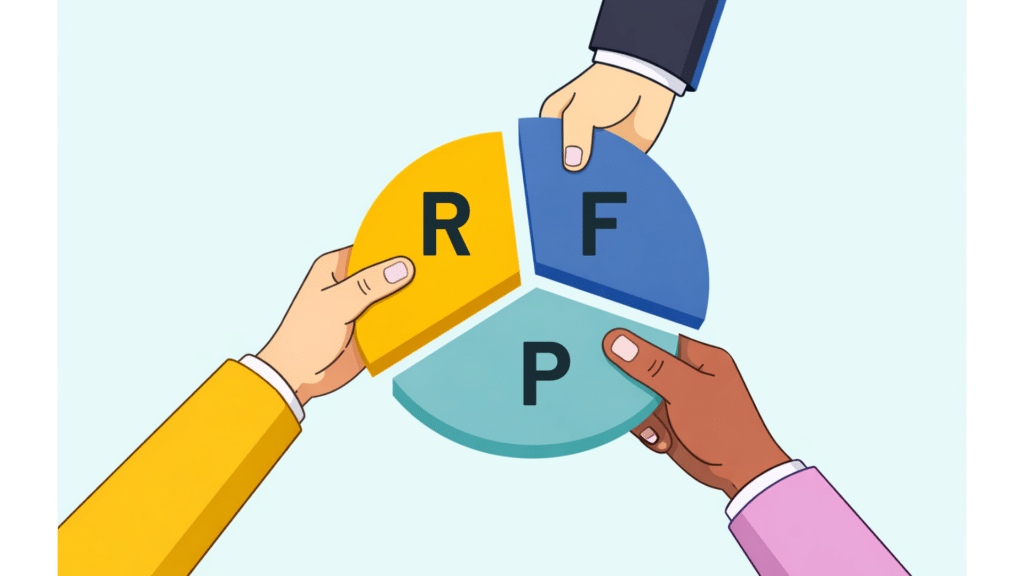
Before exploring how RFP stakeholders influence the RFP process, it’s important to clarify what an RFP is. An RFP (Request for Proposal) is a document that outlines a project, and every project involves several individuals, both internal and external to an organization. Stakeholders are individuals or parties whose expertise, knowledge, and approval are essential for success.
RFPs often involve creating and organizing complex documents that span multiple domains and contexts, even within a single industry. Consequently, developing RFPs is a collaborative process involving RFP stakeholders who provide insight across different contexts and have a vested interest in the outcome. These individuals are known as RFP stakeholders. Understanding how RFP stakeholders relate to the RFP process is key to successfully finding, writing, and responding to RFPs.
General Overview of Stakeholders and RFPs
Every RFP must address key objectives, typically outlined in the Scope of Work (SoW). However, additional concerns (such as legal, technical, environmental, social, or financial issues) also require attention. RFP stakeholders are the individuals with the expertise to address these concerns. They work closely with RFP writers to provide and review content, ensuring the RFP is comprehensive and accurate.
RFP stakeholders can include both internal team members and external parties. No matter the type of stakeholder, RFP teams always consider their roles throughout the bid creation process. If you’re building a bid management team, you too should consider the role of RFP stakeholders!
Common Types of RFP Stakeholders
Every RFP must address key objectives, typically outlined in the Scope of Work (SoW). However, additional concerns—such as legal, technical, environmental, social, or financial issues—also require attention. RFP stakeholders are the individuals with the expertise to address these concerns. They work closely with RFP writers to provide and review content, ensuring any bid response is comprehensive and accurate.
Some of the types of stakeholders you’ll engage with while developing an RFP are:
- Subject Matter Experts (SMEs): SMEs are individuals who possess the highest level of expertise within an organization for a specific role or task. Complicated or heavily regulated industries require the expertise of SMEs to provide guidance on the scope of work required to achieve the project.
- Financial Stakeholders: Because RFPs are often tied to costly projects, for budgetary reasons, RFP teams consult with finance departments to set strict project deadlines. Because the finance team will account for outside cost factors, such as inflation, it’s important to involve them in the RFP process.
- Legal Stakeholders: Final RFPs are awarded to vendors via contracts. Therefore, to protect the issuing organization, legal departments must ensure that RFP requirements account for contractual obligations.
While these are some of the most common RFP stakeholders, the list is not exhaustive. RFP stakeholders can also include executives, managers, IT personnel, marketing teams, and even government agencies. Because RFPs are complex and tailored to specific industries and projects, identifying key participants and maintaining open communication are essential to developing high-quality bids.
Working With Stakeholders
Working effectively with RFP stakeholders is crucial for developing a successful bid. Since stakeholders usually have a vested interest in the outcome and possess valuable knowledge about the relevant context, engaging them throughout the process can make or break the final document. Every competitive contract opportunity is unique, but some best practices always apply when working with stakeholders.
Identify Key Stakeholders
Identify key internal and external RFP stakeholders who have a vested interest in the outcome of the project and have the knowledge and experience to speak to the various aspects of it within the RFP. Furthermore, these individuals will also be critical in evaluating the proposals submitted in response to the RFP. Gaining an understanding of what they’re looking for in a response to a proposal, at the outset of RFP development, is an excellent way to refine and clarify the expectations for an RFP and the project it details.
Bring Stakeholders in Early
Early engagement with stakeholders helps gather all necessary requirements. It also helps understand the needs of the business and address concerns before they escalate. When stakeholders are involved, they feel a sense of ownership. This increases transparency and builds trust. Additionally, it reduces the chances of mistakes in the documents.
Establish Lines of Communication
Communicating with your stakeholders is a highly productive, two-way street. They can provide information and clarification, and you can communicate uncertainties, request updates, and request and implement feedback (and build feedback loops!). Regardless of which channel(s) of communication are used, ensuring they exist and are reliable keeps everyone on the same page. Ultimately, this ensures everyone involved with the RFP development process moves in lockstep to produce a quality document.
Regularly involving RFP stakeholders from the beginning and communicating throughout the process is critical to successful bid development. These best practices help mitigate risks, align perspectives, and foster a collaborative environment, resulting in higher-quality RFPs and more successful project outcomes.
Need Help Working With RFP Stakeholders? The Bid Lab Can Help!
Unsure how to work with stakeholders in your organization? Feeling unsure about how to assemble an RFP team? Consider outsourcing your bid response with our Bid Manager services! Our Bid Manager process can help you manage the proposal process. Or, if you just need assistance with a specific element of the bid process, you might prefer to explore our Flex Services. No matter who your stakeholders are, we’re here to help. Reach out to our team for a free consultation by calling 1-844-4BIDLAB or emailing respond@thebidlab.com.